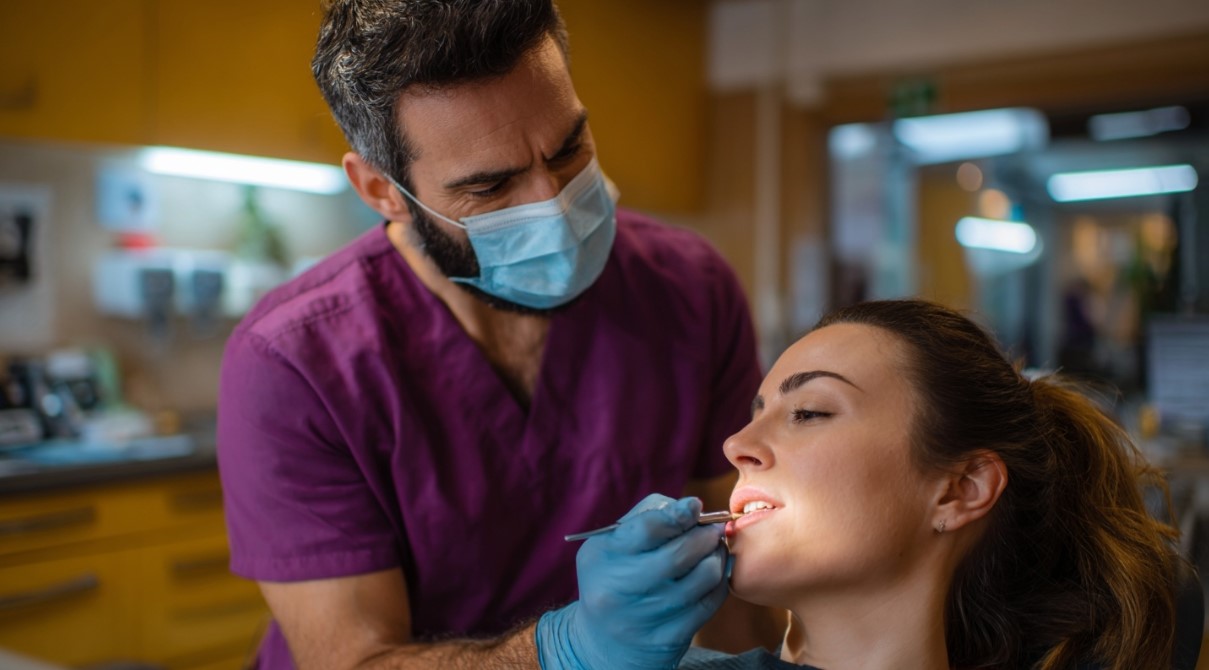
Dentists in Denmark: A Complete Guide for Expats
Moving to a new country is always exciting, but it also comes with practical challenges. One of the most important things to figure out early is healthcare—including dental care. If you are an expat living in Denmark, you might wonder how the dental system works, what it costs, and how to find the right dentist. This guide walks you through everything you need to know about dentists in Denmark, so you can feel confident the next time you need a check-up, treatment, or emergency care.
How Dental Care Works in Denmark
Unlike general healthcare, dental care in Denmark is not fully covered by the public healthcare system. While Danish citizens and residents have free access to hospitals and general practitioners, dental treatment for adults is mostly paid out of pocket. Children and teenagers up to the age of 18, however, receive free dental care provided by the local municipality.
For adults, the government subsidizes a portion of the cost of basic services—such as check-ups, cleanings, and fillings—but the majority of the bill is your responsibility. More complex treatments like crowns, implants, and orthodontics are generally much more expensive and rarely subsidized.
As an expat, you will have the same access to dental care as Danish citizens as long as you are officially registered in Denmark and have a CPR number (the Danish personal identification number).
Finding a Dentist as an Expat
According to TandlaegeListen.dk , most Danish towns and cities have several dental clinics, and you are free to choose whichever one you prefer. There is no strict “system” that assigns you a dentist, as is the case with general practitioners.
Here are some tips to find a dentist in Denmark:
- Ask locals or colleagues: Personal recommendations are often the best way to find a trustworthy clinic.
- Search online: Many dental clinics have websites in Danish, but larger practices in big cities often provide English-language information as well.
- Use expat groups: Online forums and Facebook groups for expats in Denmark frequently share recommendations for English-speaking dentists.
- Check reviews: Google Maps and Trustpilot are useful for seeing patient feedback.
Many Danish dentists speak English very well, so communication should not be a problem—especially in larger cities like Copenhagen, Aarhus, and Odense.
What to Expect During a Visit
A dental visit in Denmark will feel familiar if you come from another Western country, though there are a few differences:
- Booking an appointment: You usually book online or by phone. Some clinics also allow you to book via email.
- First consultation: If it’s your first visit, the dentist may request your dental history, but you don’t need to transfer records from abroad.
- Check-up frequency: Many Danes go for a check-up once a year, although your dentist may suggest every six months depending on your oral health.
- Cleanings: Dental hygienists handle most cleanings. If you have heavy tartar buildup, scaling might be required.
- Treatment plans: If you need fillings, crowns, or more advanced procedures, the dentist will prepare a treatment plan and cost estimate.
The clinics are modern and well-equipped. You can expect high-quality standards and strict hygiene practices.
Costs of Dental Care in Denmark
Prices in Denmark can seem high compared to many other countries, especially if you come from a place where dental care is cheaper or more subsidized.
Here are some typical prices you can expect (approximate averages in 2025):
- Regular check-up: DKK 200–300
- Professional cleaning: DKK 250–400
- Small filling: DKK 600–1,000
- Root canal treatment: DKK 2,000–5,000
- Crown: DKK 5,000–7,000
- Dental implant: DKK 12,000–20,000
Remember, these prices may vary depending on the clinic and region. In Copenhagen, prices tend to be slightly higher than in smaller towns.
Insurance and Coverage Options
Because dental costs can add up quickly, many expats consider dental insurance. In Denmark, private health insurance policies often include some level of dental coverage, but it varies.
- Danish insurance companies: Providers like Sygeforsikringen “danmark” offer plans that reimburse a portion of dental expenses. To join, you usually need a CPR number and to have lived in Denmark for a period of time.
- International insurance: If you have expat health insurance from your employer, check whether it covers dental treatment in Denmark. Some policies include generous dental benefits.
- Employer benefits: Larger companies in Denmark sometimes include dental coverage as part of their employee healthcare package.
If you expect to need expensive procedures such as orthodontics or implants, it’s worth investigating insurance options early.
Emergency Dental Care
Tooth pain always seems to strike at the worst possible time. Luckily, Denmark has emergency dental services.
- During weekdays, you can usually call your regular clinic, and they will try to fit you in.
- On evenings, weekends, and holidays, many regions operate emergency dental clinics (tandlægevagt). These clinics are open outside normal hours for urgent issues such as severe pain, broken teeth, or infections.
Be aware that emergency appointments often come with higher fees, so expect to pay extra compared to a regular visit.
Dental Care for Children
One of the biggest benefits of the Danish system is that children receive free dental care until age 18. Municipal dental clinics (kommunale tandpleje) handle everything from check-ups to braces.
When you register your child with the municipality, they will automatically be enrolled in the system and invited for regular visits. As an expat parent, this is a huge relief since dental care for children in other countries can be very expensive.
English-Speaking Dentists
Most dentists in Denmark understand English, but if you prefer a clinic that actively markets itself as “expat-friendly,” you can find plenty in the larger cities. These clinics often advertise international services, accept foreign insurance, and have staff who are used to working with expats.
Some even have multilingual websites and patient forms, which can make the process much easier if your Danish is still limited.
Tips for Expats to Save Money
Dental care can be costly in Denmark, but there are a few ways to reduce your expenses:
- Join Sygeforsikringen “danmark”: Membership gives you reimbursements on many dental treatments.
- Preventive care: Regular check-ups and good daily hygiene help avoid costly problems later.
- Compare prices: While fees are somewhat standardized, there can still be differences between clinics.
- Consider treatment abroad: Some Danes travel to Poland, Germany, or other nearby countries for major dental work, where costs can be significantly lower. This is only worthwhile for expensive procedures, as travel costs can cancel out savings on smaller treatments.
Cultural Differences Expats Notice
Dentistry in Denmark may feel a bit different compared to what you are used to:
- Many Danes only visit the dentist once a year unless they have issues.
- Preventive care is highly emphasized, and you will be reminded about flossing and proper brushing techniques.
- The system is straightforward: you pay directly at the clinic, often by card or MobilePay, right after treatment.
- Dental aesthetics like whitening and cosmetic procedures are available but usually expensive and not covered by insurance.
Conclusion
As an expat in Denmark, you will find that dental care is high quality, modern, and accessible. While costs are higher than in many countries, the standards of treatment and hygiene are excellent, and English-speaking dentists are widely available.
To make the most of the system:
- Register with a local dentist early.
- Keep up with regular check-ups to avoid larger expenses later.
- Explore insurance options if you expect extensive dental work.
Taking care of your teeth might not be the most exciting part of living abroad, but it is an essential one. With the right preparation, you can navigate the Danish dental system with ease and keep smiling throughout your expat adventure.